
The Role of Interest Rates: How Borrowing Money Really Works
Have you ever wondered why banks charge extra money when people borrow? That extra cost is called interest, and it plays a huge role in personal finance, business, and the economy.
Whether you're taking out a loan for a car, using a credit card, or getting a mortgage for a house, interest rates determine how much you’ll actually pay back—and the difference can be huge!
In this blog, we’ll cover:
✔ What interest rates are & how they work
✔ Why borrowing money always costs more
✔ How interest rates impact credit cards, loans & savings
✔ Smart borrowing tips to avoid debt
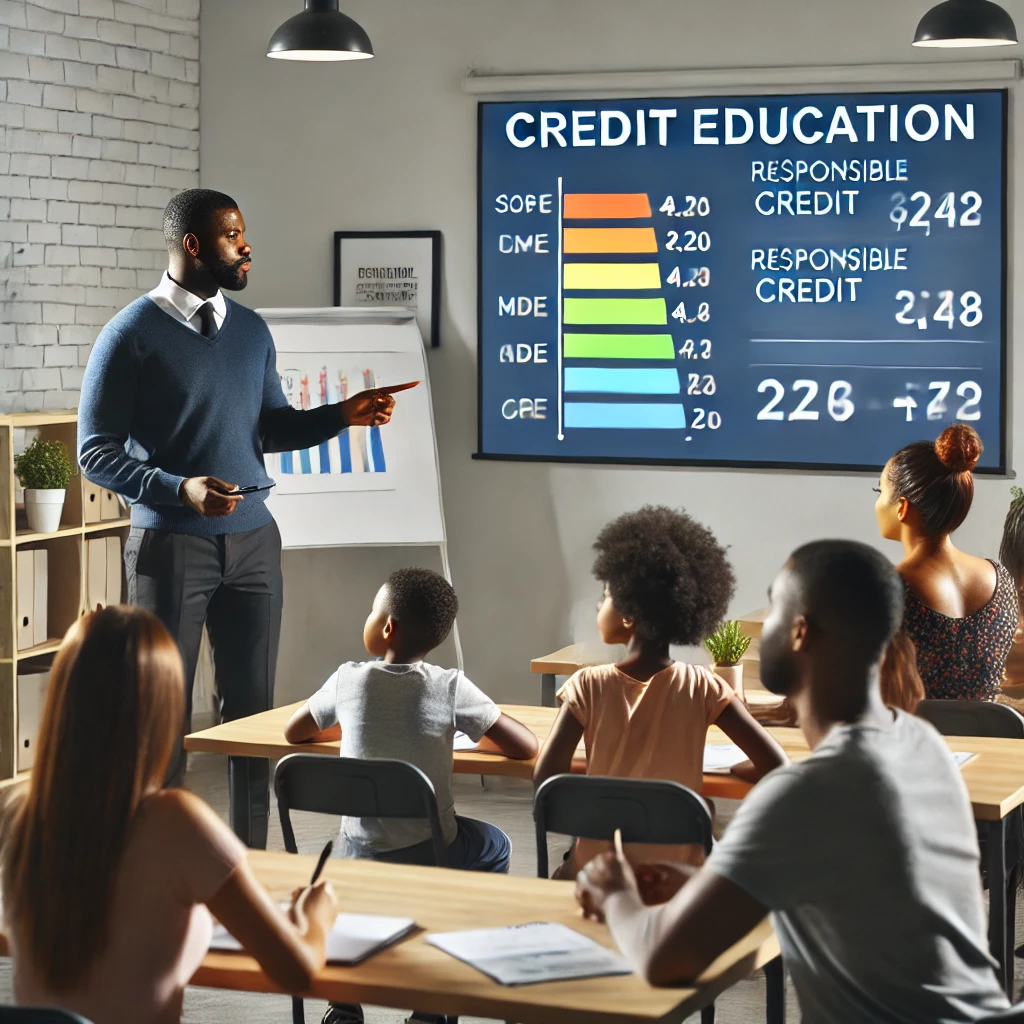
By the end, you and your kids will understand how borrowing really works—so they can make smart financial choices in the future!
1. What Is an Interest Rate? A Simple Explanation for Kids
Imagine you borrow $10 from a friend to buy ice cream. But your friend says,
👉 "You have to pay me back $12 next week!"
That extra $2 is the interest—the cost of borrowing money.
Key Terms to Teach Kids:
📌 Principal – The original amount borrowed.
📌 Interest Rate – The extra percentage charged on the loan.
📌 Loan Term – The time you have to pay it back.
📌 Monthly Payment – The amount due each month.
📢 Lesson for Kids: When you borrow money, you always pay back more than you borrowed!
2. Why Do Banks Charge Interest?
Banks and lenders don’t give out money for free. They charge interest because:
✔ They take a risk – The borrower might not pay them back.
✔ It’s how they make a profit – Banks use interest to earn money.
✔ It keeps money moving – Interest allows banks to lend more money to others.
📢 Lesson: Banks charge interest because lending money comes with risks and costs!
3. Types of Loans & How Interest Works
Not all loans are the same! Some have high interest rates, while others have low rates.
📌 High-Interest Loans (Expensive Borrowing)
Credit Cards (15-30% APR) – If you don’t pay the full balance, interest adds up quickly!
Personal Loans (5-35% APR) – Used for emergencies, but interest can be high.
Payday Loans (300-400% APR!) – The most expensive type of loan—AVOID these!
📌 Low-Interest Loans (Cheaper Borrowing)
Mortgages (2-7% APR) – Used to buy a house, with payments over 15-30 years.
Student Loans (3-6% APR) – Helps pay for college, but must be repaid over time.
Car Loans (4-10% APR) – Used to buy a vehicle, with monthly payments.
📢 Lesson: Credit cards and payday loans are the most expensive ways to borrow money!
4. How Interest Works: The Magic (and Danger) of Compound Interest
When you borrow money, interest adds up over time—sometimes in a good way (when saving) and sometimes in a bad way (when in debt).
🚀 Example of GOOD Interest: Earning Money on Savings
Let’s say you save $100 in a bank account that pays 5% interest per year.
📌 After 1 year, you earn $5 interest (so now you have $105).
📌 After 2 years, you earn $5.25 in interest (now you have $110.25).
📌 After 10 years, your $100 grows to $163 without doing anything!
📢 Lesson: Saving money lets you earn interest instead of paying it!
💸 Example of BAD Interest: Paying on Credit Card Debt
Imagine you buy a $1,000 phone on a credit card but only make minimum payments.
📌 If the interest rate is 20%, you could pay over $2,000 in total!
📌 That means the phone actually costs twice as much!
📢 Lesson: Carrying credit card debt makes everything more expensive!
5. Smart Borrowing Tips for Kids & Families
Want to avoid the debt trap? Follow these smart borrowing rules:
1️⃣ Only borrow what you NEED, not what you WANT.
2️⃣ Always check the interest rate before borrowing.
3️⃣ Pay more than the minimum payment on credit cards.
4️⃣ Pay off high-interest loans FIRST.
5️⃣ Save money & earn interest instead of paying it!
📢 Lesson: Borrowing money is expensive—use it wisely!
6. How Parents Can Teach Smart Borrowing Habits
💡 Fun Activity: The “Loan & Interest” Game
1️⃣ Give your child $10 in play money and tell them they can “borrow” another $10.
2️⃣ But they must pay back $12 next week (with interest!).
3️⃣ Ask them if they still want to borrow—or if they’d rather save their own money instead.
4️⃣ Let them feel how interest works in real life!
📢 Lesson: Borrowing costs money—it’s better to save!
🚀 Help Your Child Master Credit & Smart Borrowing!
💳 Want to teach kids about credit, loans & smart money habits the FUN way?
📚 Download Kessai Fixes Credit, a digital story-based eBook that makes credit education SIMPLE & ENGAGING for kids!
👉 Instant Download Available Now!
🔗 www.childrentowealth.com/product-details/product/kessaifixescredit
✅ Give your child the financial knowledge to succeed!


