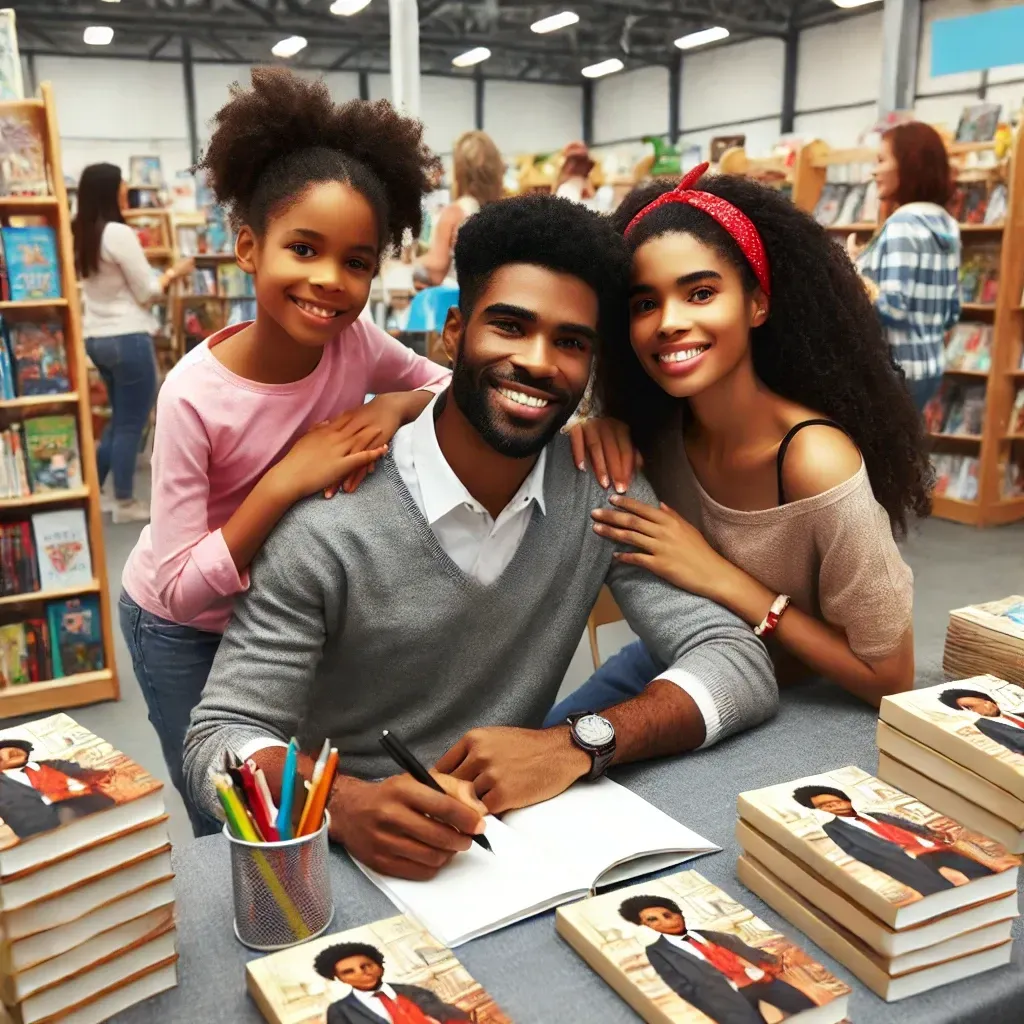
Writing Nonfiction Books: Teaching Kids to Share Knowledge & Teach Others
When people think about writing books, they often imagine magical adventures, talking animals, or exciting mysteries. But did you know that some of the most powerful and impactful books are nonfiction?
Nonfiction books help people learn new skills, explore real-world topics, and inspire others. Kids don’t need to be experts to write nonfiction—they just need curiosity, passion, and a willingness to share what they know!
✅ Nonfiction books help kids become teachers and experts in their favorite topics.
✅ They build confidence, research skills, and communication abilities.
✅ They can inspire and educate others, no matter the topic!

This guide will help kids turn their knowledge and interests into a real nonfiction book—whether it's about history, science, sports, or a personal experience!
1. What Is a Nonfiction Book?
A nonfiction book is a book that shares true facts, ideas, or personal experiences instead of made-up stories.
✅ Types of Nonfiction Books Kids Can Write
📌 How-To Books – Teach people how to do something (like cooking, coding, or drawing).
📌 Biographies – Tell the life story of someone famous or inspiring.
📌 Science & Nature Books – Explain cool topics like space, animals, or weather.
📌 History Books – Teach about important events or cultures.
📌 Personal Experience Books – Share real-life lessons and experiences.
📍 Example:
A young soccer player could write "The Beginner’s Guide to Soccer."
A kid who loves baking could write "10 Easy Recipes for Young Chefs."
A history-loving student could write "The Secrets of Ancient Egypt."
💡 Tip for Young Authors:
"If you love learning about something, you can write a nonfiction book about it!"
2. Choosing a Topic: What Do You Want to Teach?
The best nonfiction books come from a writer’s passion and curiosity. Kids should choose a topic they love learning about or already know a lot about.
✅ How to Pick a Great Nonfiction Topic
📌 Think about what you love to do (sports, science, music, gaming, art?).
📌 Ask yourself: "What do I know that others might want to learn?"
📌 Consider your personal experiences—can you share a lesson or skill?
📍 Example:
If you love animals, you could write "The Ultimate Guide to Pet Care."
If you know how to build LEGO creations, you could write "Creative LEGO Building Tips."
If you have moved to a new country, you could write "My Journey to a New Home."
💡 Tip for Young Authors:
"Pick a topic that excites you—if you love it, readers will too!"
3. Researching & Gathering Information
Even if kids know a lot about their topic, it's important to research to make sure the information is accurate and detailed.
✅ Where to Find Information for a Nonfiction Book
📌 Books from the library – Check out books on your topic.
📌 Educational websites – Use trusted sources like National Geographic Kids.
📌 Interviews – Talk to experts (teachers, coaches, family members).
📌 Personal experience – Write about what you’ve done and learned yourself.
📍 Example:
If writing about space, read books or visit NASA’s website.
If writing about soccer, interview a coach or experienced player.
If writing about growing a garden, share your own experience planting flowers or vegetables.
💡 Tip for Young Authors:
"Good research makes nonfiction books more interesting and useful!"
4. Organizing the Book: Making It Easy to Read
Once kids gather their information, they need to organize it into chapters or sections so that it’s easy to understand.
✅ How to Structure a Nonfiction Book
📌 Introduction: What is the book about, and why is it important?
📌 Chapters or Sections: Break down information into smaller parts.
📌 Fun Facts or Tips: Add side notes to keep things interesting.
📌 Conclusion: Summarize what the reader learned.
📍 Example: (A Book About Dinosaurs)
📖 Title: Dinosaurs: The Giants of the Past
📌 Chapter 1: What Are Dinosaurs?
📌 Chapter 2: Different Types of Dinosaurs
📌 Chapter 3: How Dinosaurs Lived
📌 Chapter 4: The Mystery of Their Extinction
📌 Chapter 5: Cool Dinosaur Facts!
💡 Tip for Young Authors:
"Make sure the book is easy to follow—think about what readers need to know first!"
5. Adding Fun Features: Making Nonfiction Exciting
Nonfiction books don’t have to be boring! Adding fun features can keep readers engaged and excited.
✅ Ways to Make a Nonfiction Book More Fun
📌 Illustrations or Photos – Help readers visualize information.
📌 Sidebars or Fun Facts – Short, interesting facts to keep them curious.
📌 Activity Pages – Quizzes, checklists, or DIY projects related to the topic.
📍 Example:
A science book about the ocean could include a "Did You Know?" section with amazing ocean facts.
A book about healthy eating could include a simple recipe for kids to try at home.
💡 Tip for Young Authors:
"Adding creative elements makes nonfiction books even more fun to read!"
6. Writing in a Fun & Friendly Style
Nonfiction doesn’t have to sound like a school textbook—it can be fun, friendly, and exciting!
✅ Tips for Writing in an Engaging Style
📌 Use simple, clear language (avoid big, confusing words).
📌 Write like you’re talking to a friend.
📌 Add personal stories or experiences to make it relatable.
📍 Example:
Instead of writing "The cheetah is the fastest land animal," try:
"Imagine running faster than a car! That’s how fast a cheetah can go!"
💡 Tip for Young Authors:
"Think of your book as a conversation—how would you explain the topic to a friend?"
7. Publishing & Sharing the Book
Once kids finish writing, it’s time to share their nonfiction book with the world!
✅ Ways to Publish & Share a Nonfiction Book
📌 Print copies to share with family and friends.
📌 Self-publish an eBook on Amazon Kindle.
📌 Create a blog or website to showcase the book.
📌 Enter writing competitions for young authors.
📍 Example:
A kid who writes "The Beginner’s Guide to Skateboarding" could sell copies at a local skate park!
💡 Tip for Young Authors:
"Your book can help and inspire others—so don’t keep it a secret!"
Conclusion: Every Kid Can Write & Teach Others!
Writing nonfiction books helps kids share knowledge, inspire others, and become young experts!
✅ Choose a topic they love and research it well.
✅ Organize the book into clear sections and keep it fun.
✅ Write in a friendly style and add creative features.
And the best part? They don’t have to do it alone!
🚀 Join The Write More Books Challenge – Limited Spots Available! 🚀
📚 Step-by-step guidance to help kids write & publish their own nonfiction book.
✍️ Learn how to research, organize, and share knowledge effectively.
💡 A chance to turn their expertise into a real, published book!
👉 Click here to sign up before spots fill up!
🔗 www.childrentowealth.com/bookchallenge
Help your child become an author and teach the world something amazing! 🚀📖


