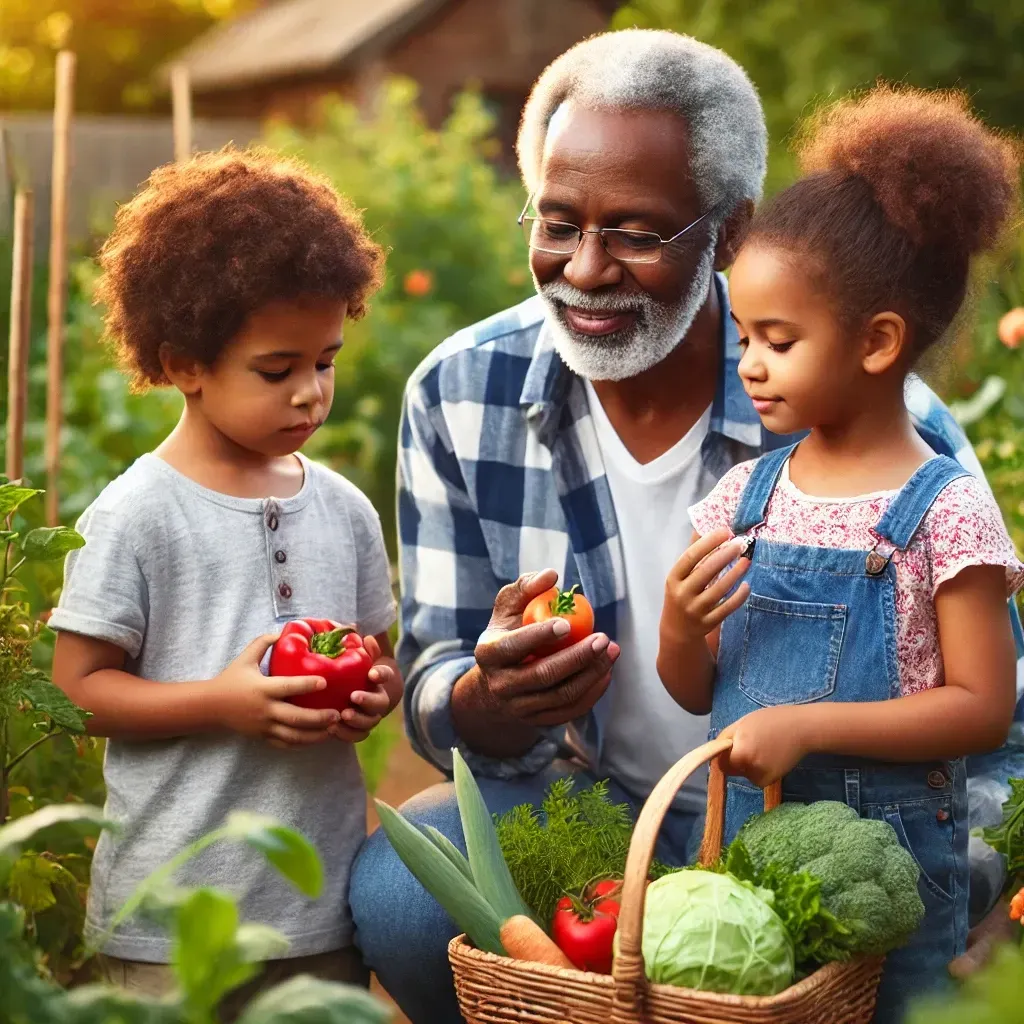
Why Nutrition Matters: Teaching Kids the Importance of Eating Well
In today’s fast-paced world, it can be tempting to grab quick meals or rely on processed foods for convenience. However, the long-term effects of poor nutrition can be detrimental, especially for children. The food kids consume directly impacts their growth, brain development, energy levels, and overall well-being. As parents, caregivers, and educators, it’s our responsibility to equip children with the knowledge and habits needed to make nutritious choices that will benefit them for life.
This blog will explore why nutrition matters, the impact of food choices on children’s health, and practical strategies to teach kids the importance of eating well.

1. The Link Between Nutrition and Childhood Development
Children’s bodies and brains are constantly growing, making proper nutrition essential for development. When kids eat well, they experience:
Stronger Immune Systems – Nutrient-rich foods help fight off illnesses and infections.
Improved Brain Function – Omega-3 fatty acids, vitamins, and minerals contribute to cognitive development, memory, and concentration.
Steady Energy Levels – Whole foods prevent sugar crashes and hyperactivity.
Healthy Growth – Calcium, protein, and vitamins promote strong bones, muscles, and organs.
A lack of proper nutrition can lead to delayed growth, poor academic performance, and a higher risk of chronic diseases like obesity and diabetes.
2. How Poor Nutrition Affects Kids
When children consume a diet high in processed foods, sugar, and unhealthy fats, they may experience:
✅ Fatigue & Lack of Focus – Junk food leads to sluggishness and difficulty concentrating in school.
✅ Weakened Immune Systems – Poor diets make kids more susceptible to colds and infections.
✅ Behavioral Challenges – Artificial additives and high sugar intake have been linked to mood swings and hyperactivity.
✅ Weight Management Issues – Obesity is rising in children due to excessive consumption of fast food and sugary beverages.
3. Teaching Kids to Make Healthy Food Choices
A. Lead by Example
Children mimic what they see. If they observe you enjoying fruits, vegetables, and balanced meals, they are more likely to do the same.
B. Get Kids Involved in Cooking
Allowing children to help prepare meals increases their interest in food. Let them wash vegetables, mix ingredients, or create their own healthy snacks.
C. Make Nutrition Fun
Create colorful plates with different fruits and veggies.
Make smoothie bowls with creative toppings.
Introduce new foods as a "taste test adventure."
D. Educate Through Storytelling
Books are an incredible tool for making nutrition fun and engaging. Natalia’s Garden of Life teaches kids the power of food through storytelling, helping them understand why eating well matters.
4. The Power of Whole Foods
Whole foods, such as fruits, vegetables, lean proteins, and whole grains, provide essential nutrients for children’s bodies. Here’s why they matter:
🥦 Vegetables – Packed with vitamins, fiber, and antioxidants to support immunity.
🍎 Fruits – Natural sources of energy and essential vitamins like vitamin C.
🐟 Lean Proteins – Important for muscle growth, brain health, and cell repair.
🥑 Healthy Fats – Found in avocados, nuts, and olive oil, which support brain function.
Encouraging kids to choose whole foods over processed snacks is one of the best ways to set them up for a lifetime of good health.
5. Healthy Eating Habits for Life
It’s important to instill healthy habits in children that they can carry into adulthood. Here are some long-term strategies:
✔ Teach Portion Control – Kids should learn to listen to their bodies and eat until they’re satisfied, not stuffed.
✔ Encourage Hydration – Water should be the primary drink instead of sugary sodas and juices.
✔ Promote a Balanced Diet – No food should be labeled as “bad,” but kids should understand the difference between everyday foods (nutritious) and sometimes foods (treats).
✔ Create a Positive Eating Environment – Meals should be enjoyable and stress-free to prevent negative associations with food.
Conclusion: Empower Kids with the Knowledge of Nutrition
Teaching children about the importance of nutrition doesn’t have to be overwhelming. By incorporating healthy eating habits into their daily lives, involving them in food choices, and leading by example, we can set them up for a healthier future.
One of the best ways to introduce kids to nutrition is through engaging, educational stories. That’s why we created Natalia’s Garden of Life, a fun and interactive digital eBook that makes learning about healthy food exciting for kids.
📖 Get Your Instant Download of Natalia’s Garden of Life Today!
Help your child develop a love for nutritious eating through storytelling and fun activities. Click here to grab your copy now! 🌿🍎


