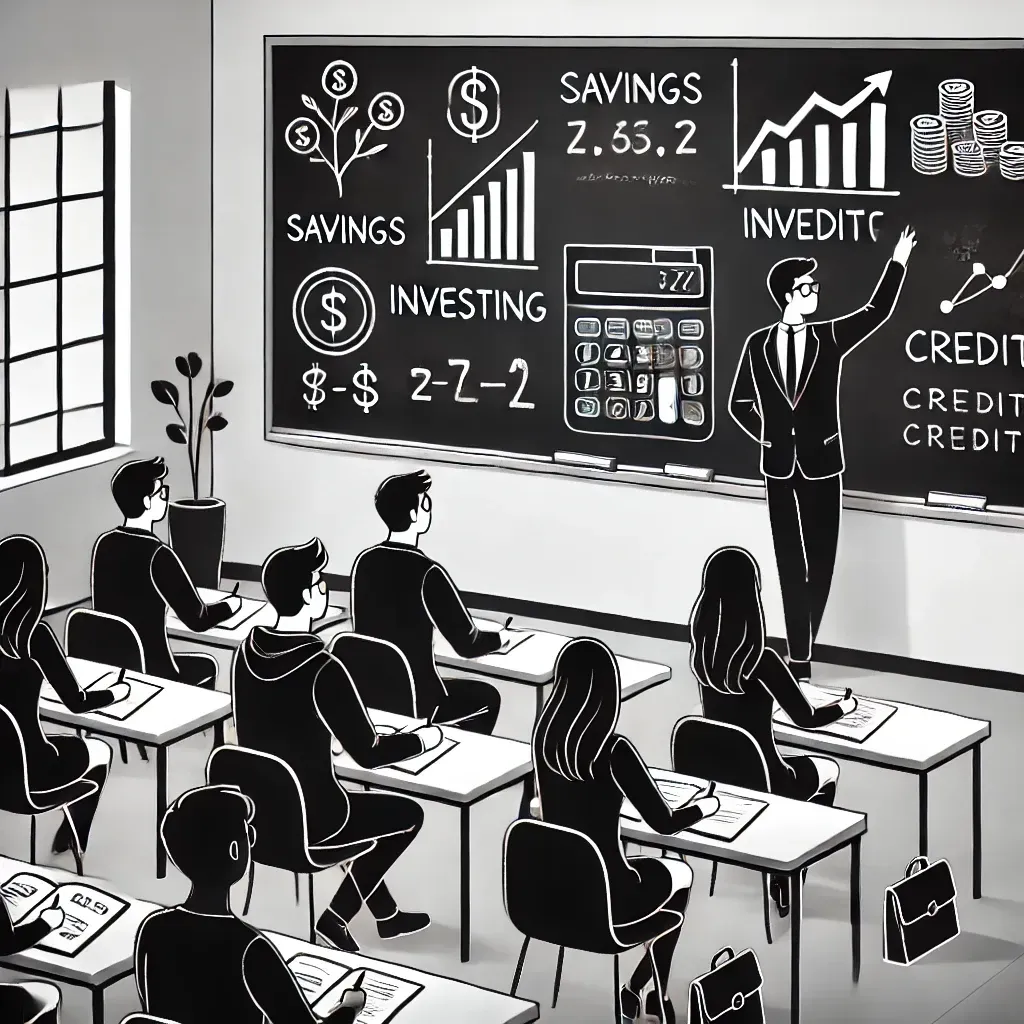
The Impact of Family Money Habits on Your Child’s Financial Future
Children are like sponges—they absorb everything, including the way their family handles money.
🔹 Did you grow up in a household where:
❌ Money was a constant source of stress?
❌ Saving wasn’t a priority?
❌ Debt was seen as normal?
Or did you grow up in a home where:
✅ Saving and investing were encouraged?
✅ Budgeting and smart spending were taught early?
✅ Money was seen as a tool, not a source of fear?
The truth is, your child’s money habits are being shaped every day—whether you realize it or not.
This guide will explore:
✔ How family money habits affect a child’s financial mindset.
✔ The most common bad money habits kids inherit (and how to fix them).
✔ Steps to build a positive financial foundation for your child.
✔ Fun activities to reinforce smart money habits at home.
Let’s create a healthy financial future for the next generation!

1. How Family Money Habits Influence Kids
Children don’t just learn about money from school—they learn by watching their parents and family members.
🔹 The 3 Main Ways Kids Absorb Financial Habits:
📌 Observation: Kids watch how their parents save, spend, and talk about money.
📌 Experience: Whether they receive an allowance, do chores for money, or see how family purchases are made.
📌 Conversation: What parents say about money (positive or negative).
🔹 Example:
If a child constantly hears, “We can’t afford that,” they may grow up thinking money is always scarce.
If a child sees their parents saving for future goals, they’ll learn that planning ahead is important.
💡 Lesson: Children don’t just listen to what you say—they copy what you do.
2. Common Negative Family Money Habits (And How to Fix Them!)
A. Living Paycheck to Paycheck
🚫 What Kids Learn: Money comes in and immediately goes out.
✅ How to Fix It: Teach kids to budget and save before spending.
🔹 Activity: Have kids use the "Save, Spend, Give, Invest" method to divide their money.
B. Avoiding Money Conversations
🚫 What Kids Learn: Money is stressful and should not be discussed.
✅ How to Fix It: Make money a regular, positive conversation at home.
🔹 Activity: Set a weekly “money talk” night where kids learn about finances.
C. Using Credit for Everything Without Explaining Debt
🚫 What Kids Learn: A credit card is free money.
✅ How to Fix It: Explain how interest works and the risks of debt.
🔹 Activity: Show kids how buying something with cash vs. credit affects long-term costs.
D. Spending Instead of Investing
🚫 What Kids Learn: Money is for spending, not growing.
✅ How to Fix It: Introduce kids to investing and long-term wealth-building.
🔹 Activity: Have kids “invest” pretend money in a real stock and track its growth over time.
E. Not Teaching Kids to Earn Money
🚫 What Kids Learn: Money comes from parents, not effort.
✅ How to Fix It: Encourage kids to earn money through chores or small jobs.
🔹 Activity: Help kids start a small business (like lemonade stands or digital art sales).
3. How to Build Positive Money Habits in Your Child
A. Teach the Value of Saving Early
How to Do It:
✔ Open a savings account for your child.
✔ Set up a savings challenge (save $1 a day for a month).
✔ Match their savings as a reward for consistency.
💡 Lesson: Saving is the first step toward financial security.
B. Teach Budgeting with the “Save, Spend, Give, Invest” System
How It Works:
💰 SAVE (40%) – For future needs (college, a business, a big goal).
💸 SPEND (40%) – For fun purchases (toys, snacks, experiences).
🎁 GIVE (10%) – To help others (charity, gifts).
📈 INVEST (10%) – To grow wealth over time.
🔹 Activity: Give kids real money and let them practice dividing it into these categories.
💡 Lesson: Money should have a purpose beyond just spending!
C. Explain How Investing Grows Money
Many adults fear investing because they were never taught how it works.
How to Teach Kids About Investing:
📈 Explain stocks – Owning a stock means owning part of a company.
📊 Track a stock’s performance over a month with pretend money.
💡 Use an investment app like Greenlight to let them start small.
💡 Example: If a child invests $10/month from age 10, they could have over $100,000 by adulthood!
💡 Lesson: Investing makes money work for you!
D. Show the Power of Delayed Gratification
Kids often want immediate rewards, but learning to wait and save is a powerful financial skill.
🔹 Activity:
✔ The "Wait 24 Hours Before Buying" rule (to avoid impulse purchases).
✔ The "Big Goal Challenge" – Have kids save for a big purchase instead of getting it instantly.
💡 Lesson: Learning to wait for what they want helps kids make smarter financial choices.
4. Fun Activities to Reinforce Smart Money Habits
🎲 Play Money Games: Monopoly, Cashflow for Kids, or The Game of Life.
📊 Track an Investment: Have kids follow a real stock for a month.
💼 Entrepreneur Challenge: Give them $10 and see how they can grow it.
🏦 Family Budget Night: Let kids help plan a grocery budget or family trip.
💡 Lesson: Hands-on experiences make learning about money fun and real!
5. How Parents Can Set a Good Financial Example
Kids learn by watching what their parents do.
🔹 Ways to Be a Good Financial Role Model:
✅ Show them how you budget and save for big goals.
✅ Let them see you invest and grow your money.
✅ Talk about financial decisions in a positive way.
💡 Lesson: Parents set the financial foundation their kids will follow!
Conclusion: Your Family’s Money Habits Shape Generational Wealth
The money habits kids see at home shape their financial future. By making small changes today, parents can:
✅ Teach kids smart saving and spending habits.
✅ Encourage financial independence and responsibility.
✅ Break generational money struggles and build long-term wealth.
Start teaching smart money habits today—your child’s financial future depends on it!
Want to Raise Money-Smart Kids?
At Children to Wealth, we make financial education fun, simple, and engaging!
📚 Our books, courses, and interactive activities help kids develop smart money habits early.
👉 Visit www.childrentowealth.com NOW to start your child’s journey to financial success today!


