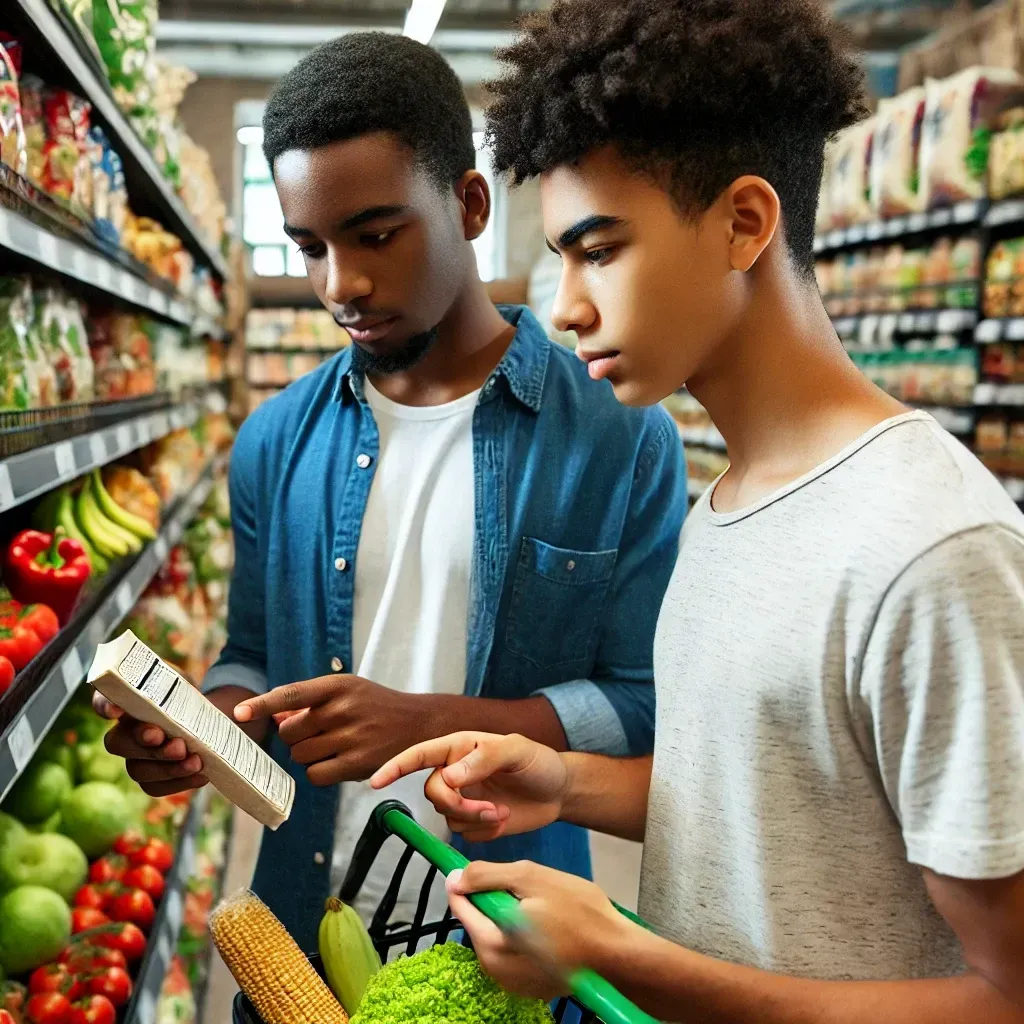
Reading Food Labels: Helping Families Make Smarter Grocery Choices
Grocery shopping can feel overwhelming, especially with endless options and flashy packaging designed to grab our attention. But have you ever stopped to read what’s really in your food? Understanding food labels is one of the best ways families can make smarter, healthier grocery choices.
Many products that seem "healthy" are often loaded with hidden sugars, unhealthy fats, and artificial additives. Learning how to decode food labels can help you choose better options for your family and empower kids to develop smart eating habits.
In this guide, we’ll break down how to read food labels, what to look for, what to avoid, and how to teach kids to be conscious consumers.

1. Why Reading Food Labels Matters
Food labels provide crucial information about nutritional value, ingredients, and serving sizes. Knowing how to read them helps families:
✅ Avoid Hidden Sugars & Unhealthy Additives
✅ Choose Nutrient-Dense Foods Over Processed Options
✅ Make Smarter, Budget-Friendly Purchases
✅ Teach Kids How to Identify Healthy Choices
Kids are constantly exposed to sugary cereals, colorful snacks, and fast food marketing, making it essential to teach them early how to choose real, whole foods over processed ones.
2. Understanding the Nutrition Facts Panel
Every packaged food product has a Nutrition Facts label, but what does it all mean? Here’s a simple breakdown:
A. Serving Size & Servings Per Container
Always check the serving size first! Many products make serving sizes unrealistically small so they appear healthier.
If a package has multiple servings, multiply everything (calories, sugars, etc.) by the total servings to get an accurate picture.
B. Calories Per Serving
Calories measure how much energy the food provides.
Tip for kids: Compare two similar snacks and see which one has more "empty calories" (from added sugars) and which one has "good calories" (from whole ingredients).
C. Macronutrients: Fat, Carbohydrates, and Protein
Healthy Fats 🥑 – Found in nuts, seeds, olive oil, and avocados.
Unhealthy Fats ❌ – Avoid trans fats and hydrogenated oils (linked to heart disease).
Carbohydrates 🍞 – Includes fiber (good) and sugars (watch out!)
Protein 🥚 – Essential for growth, strong muscles, and brain function.
D. Sugar & Hidden Sweeteners
Less than 6 grams of added sugar per serving is ideal.
Look for hidden sugars in the ingredients list:
❌ High fructose corn syrup
❌ Cane sugar, dextrose, maltose, syrup
❌ Fruit juice concentrate
E. Sodium (Salt Content)
Kids should consume less than 1,500mg of sodium per day.
Processed snacks, frozen meals, and fast foods are loaded with hidden salt, increasing the risk of high blood pressure.
F. Ingredients List: The Real Story
Ingredients are listed in order of quantity (first = most).
If a product has a long list of unpronounceable chemicals, artificial dyes, or preservatives, put it back!
Best rule: If you can’t recognize or pronounce an ingredient, your body probably can’t either!
3. How to Make Smart Grocery Choices as a Family
Once you know how to decode food labels, grocery shopping becomes a fun and educational experience for kids.
A. Compare Products
👩👧 Let kids pick two different brands of the same item (e.g., cereal) and compare labels.
🔍 Which has more sugar? More fiber? Fewer ingredients?
B. Play "Find the Hidden Sugar" Game
🍭 Have kids search ingredient lists for sneaky sugar names and count how many they find.
C. Use the "5-Ingredient Rule"
🥦 Choose foods with 5 or fewer simple, whole-food ingredients.
D. Focus on Whole Foods Over Packaged Foods
🥑 Fresh fruits, vegetables, whole grains, and lean proteins don’t need labels because they are naturally nutritious!
E. Cook Together & Create a "Smart Snack Shelf"
👩🍳 Make homemade snacks like fruit slices, yogurt with honey, or air-popped popcorn to replace processed foods.
🛒 Designate a section of your kitchen for smart snack choices where kids can grab healthy, label-friendly foods.
4. Common Food Label Tricks & How to Avoid Them
🚨 Marketing terms like "natural" and "low-fat" can be misleading!
Here’s what they really mean:
🚫 "Natural" – No legal definition! Many "natural" foods still contain additives.
🚫 "Low-fat" or "Fat-free" – Often means more sugar was added to compensate.
🚫 "Whole grain" – Only trust the label if whole grains are listed as the first ingredient.
🚫 "No added sugar" – The product may still contain artificial sweeteners or fruit concentrates.
Better approach? Always check the ingredient list and nutrition facts instead of trusting front-of-package claims.
5. Teaching Kids to Be Smart Food Shoppers for Life
By making food label reading a fun family activity, kids will grow up knowing how to:
✔ Choose real, whole foods over processed options
✔ Spot marketing tricks and hidden sugars
✔ Build lifelong healthy eating habits
Helping children take ownership of their food choices will set them up for a lifetime of better health, more energy, and a stronger immune system.
Make Learning About Healthy Eating Fun with Natalia’s Garden of Life!
Want to make nutrition education easy and exciting for your kids?
📖 Natalia’s Garden of Life is a digital eBook designed to help children understand food, nutrition, and healthy eating habits through storytelling and interactive learning.
🌱 Inside This Engaging eBook, Kids Will Discover:
✅ The magic of food and why eating healthy matters!
✅ Fun characters that introduce vitamins, minerals, and smart grocery shopping tips!
✅ Hands-on activities to help kids build lifelong healthy habits!
📥 Get Your Instant Download of Natalia’s Garden of Life Today!
Give your child the gift of knowledge, confidence, and a love for real food! 🍎🥑


