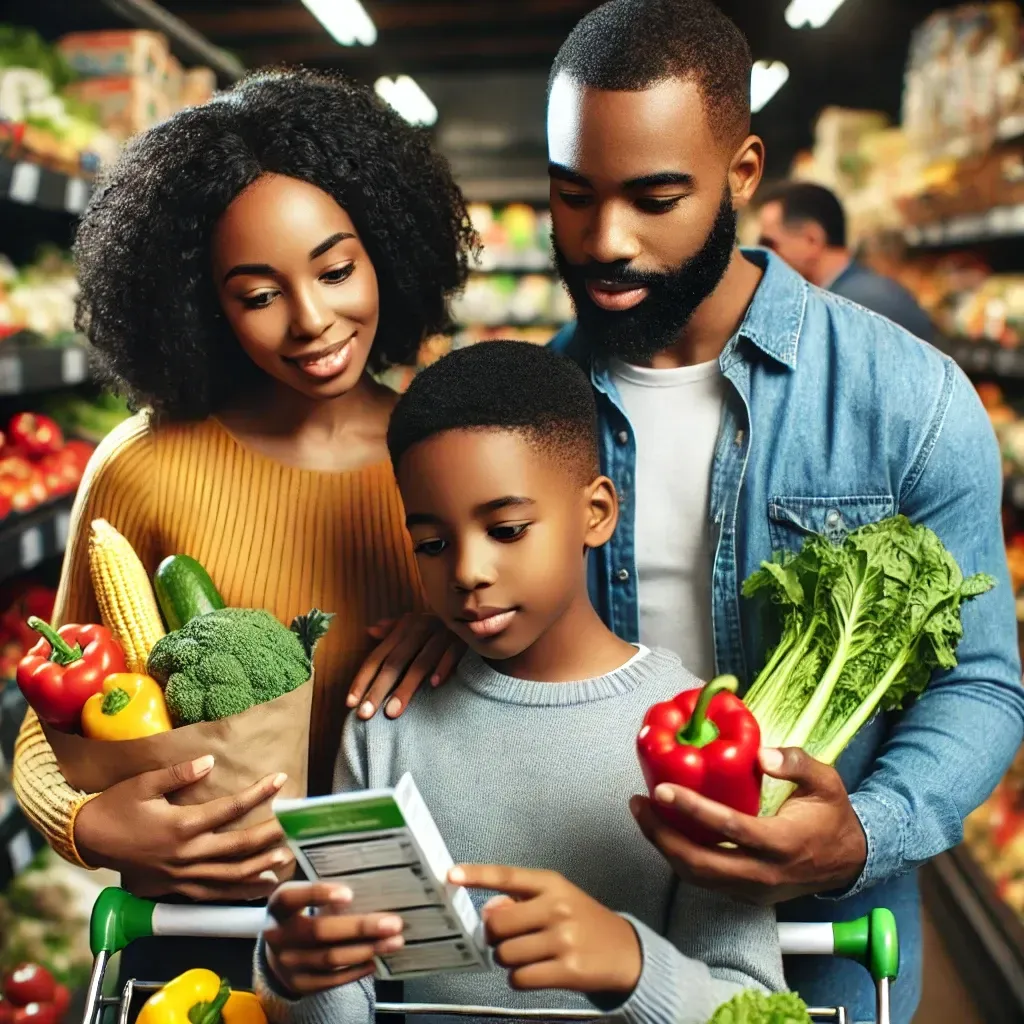
How to Teach Kids About Vitamins, Minerals, and Superfoods
In a world full of processed foods and sugary snacks, ensuring that kids get the right nutrients is more important than ever. But how do we teach them about vitamins, minerals, and superfoods in a way that is both fun and engaging?
Children don’t need a science lesson to understand that what they eat affects how they feel and grow. By using stories, interactive activities, and hands-on experiences, we can help kids develop an appreciation for nutritious foods that will benefit them for a lifetime.
In this blog, we’ll explore why vitamins and minerals matter, how superfoods boost health, and fun ways to introduce these concepts to children. Let’s get started!
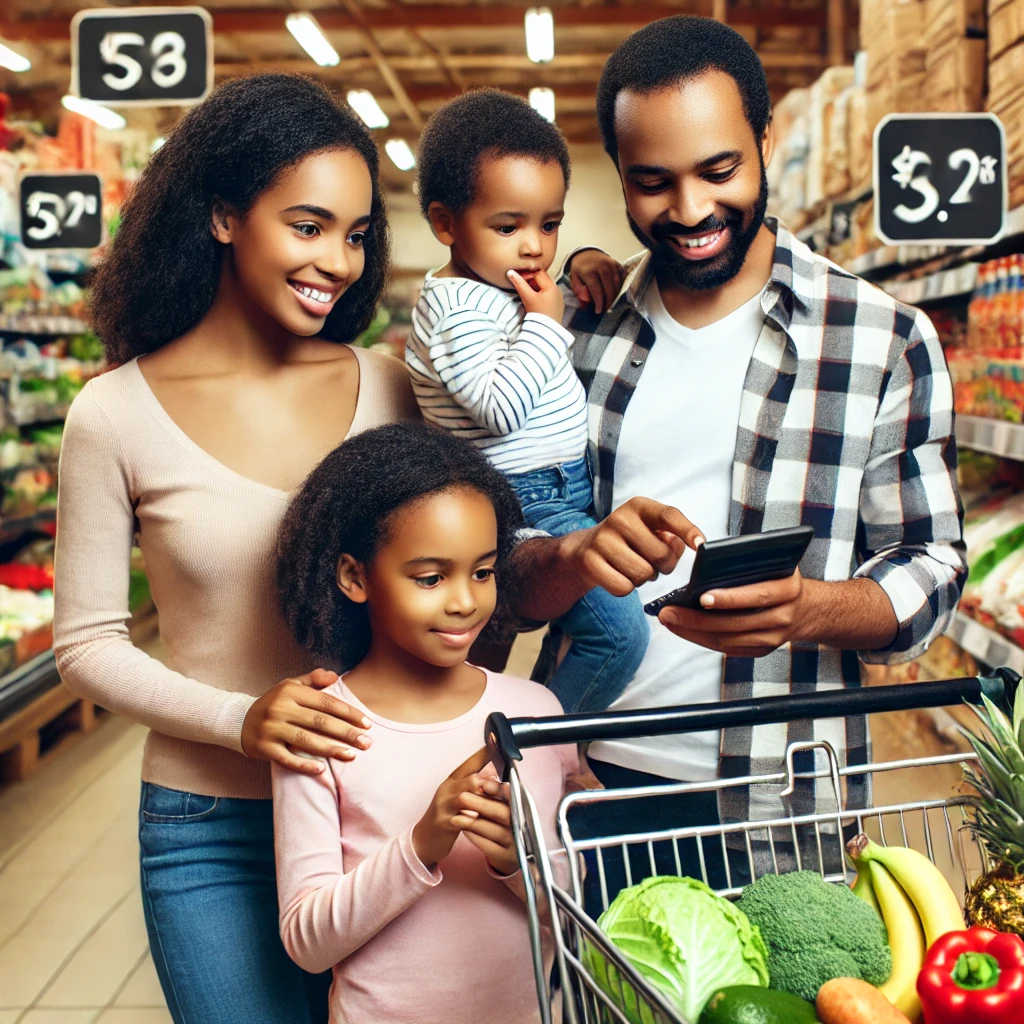
1. Why Are Vitamins and Minerals Important for Kids?
Vitamins and minerals play a vital role in growth, brain development, and immunity. Without them, kids may experience fatigue, poor concentration, or weak immune systems.
Here’s a simple way to explain it to kids:
📢 "Vitamins and minerals are like little superheroes inside your body! They fight germs, help you grow strong, and keep you full of energy!"
To make it fun, use superhero comparisons for different nutrients:
🦸 Vitamin C (The Defender): Helps fight off colds and keeps skin healthy. Found in oranges, strawberries, and bell peppers.
🦸 Calcium (The Bone Builder): Makes bones and teeth strong. Found in milk, yogurt, and leafy greens.
🦸 Iron (The Energy Booster): Helps muscles and the brain get oxygen. Found in beans, spinach, and lean meats.
🦸 Omega-3s (The Brain Power): Helps kids focus and learn. Found in salmon, walnuts, and chia seeds.
By linking vitamins to fun characters and powers, kids will remember their benefits and get excited about eating nutrient-rich foods.
2. What Are Superfoods and Why Should Kids Eat Them?
Superfoods are foods packed with vitamins, minerals, and antioxidants that keep the body strong and healthy. They’re like "power-ups" in a video game—giving kids the energy and strength they need to play, learn, and grow!
Here are some fun kid-friendly superfoods:
🌟 Berries (Brain Boosters): Full of antioxidants that help memory and brain power.
🌟 Avocados (Healthy Fats Hero): Helps the brain and heart stay strong.
🌟 Carrots (Eye Protectors): Packed with vitamin A for better vision.
🌟 Nuts & Seeds (Energy Fuel): Keep kids full and focused during the day.
🌟 Dark Leafy Greens (The Growth Squad): Spinach and kale provide iron, calcium, and vitamins.
Fun Ways to Introduce Superfoods to Kids
🍓 "Superfood Taste Test" – Blindfold kids and let them guess different superfoods by taste.
🥦 "Power Plate Challenge" – Let kids build a meal with at least 3 superfoods.
🦸♂️ "Superfood Storytime" – Read books like Natalia’s Garden of Life, which teaches kids about healthy foods in a fun and engaging way.
The goal is to make superfoods exciting rather than something they "have to eat."
3. How to Make Learning About Vitamins Fun
If kids see nutrition as boring or confusing, they’ll tune out. Instead, make it fun with games, stories, and hands-on activities!
A. Storytelling & Books
📖 Children love stories! Books like Natalia’s Garden of Life teach kids about nutrition in a way that’s easy to understand and enjoyable.
B. Color-Coded Nutrients
Use the Rainbow Rule to make learning about vitamins fun:
🌈 Red Foods – Support heart health (tomatoes, strawberries).
🟠 Orange Foods – Improve vision (carrots, mangoes).
💛 Yellow Foods – Boost immunity (bananas, bell peppers).
💚 Green Foods – Strengthen bones (spinach, broccoli).
💜 Purple Foods – Help the brain (blueberries, grapes).
Let kids draw a rainbow plate or color a chart of different food groups!
C. Cooking Together
Let kids help in the kitchen by making "superfood smoothies," fruit kabobs, or veggie pizzas. When kids prepare their own meals, they’re more likely to eat them!
D. Fun Nutrient Games
🎲 "Vitamin Scavenger Hunt" – Hide different fruits and veggies around the house and let kids find them.
🧩 "Match the Vitamin" – Create flashcards with vitamins and the foods they’re found in.
🏆 "Superfood Superhero" – Have kids pick a vitamin and dress up as a superhero who eats that food!
When kids learn through play and storytelling, they retain the information better and develop a positive attitude toward healthy eating.
4. The Long-Term Benefits of Teaching Kids About Nutrition
When children understand the role of vitamins, minerals, and superfoods, they are more likely to:
✔ Make healthier food choices on their own
✔ Have better concentration in school
✔ Develop stronger immune systems
✔ Reduce the risk of obesity and diabetes
✔ Grow up to be healthier adults
It all starts with what they learn today! By making nutrition fun, engaging, and accessible, we can set them up for a lifetime of good health.
Make Learning About Healthy Eating Fun with Natalia’s Garden of Life!
Want an easy and fun way to teach kids about vitamins, minerals, and superfoods?
📖 Natalia’s Garden of Life is a digital eBook that helps kids understand healthy eating through a magical and exciting story.
🌱 Inside This Interactive eBook, Kids Will Discover:
✅ The magic of food and how it helps their body grow!
✅ Fun characters that teach them about vitamins and superfoods!
✅ Engaging activities to make nutrition learning exciting!
📥 Get Your Instant Download of Natalia’s Garden of Life Today!
Give your child the gift of knowledge, health, and a love for good food! 🍎🥑


