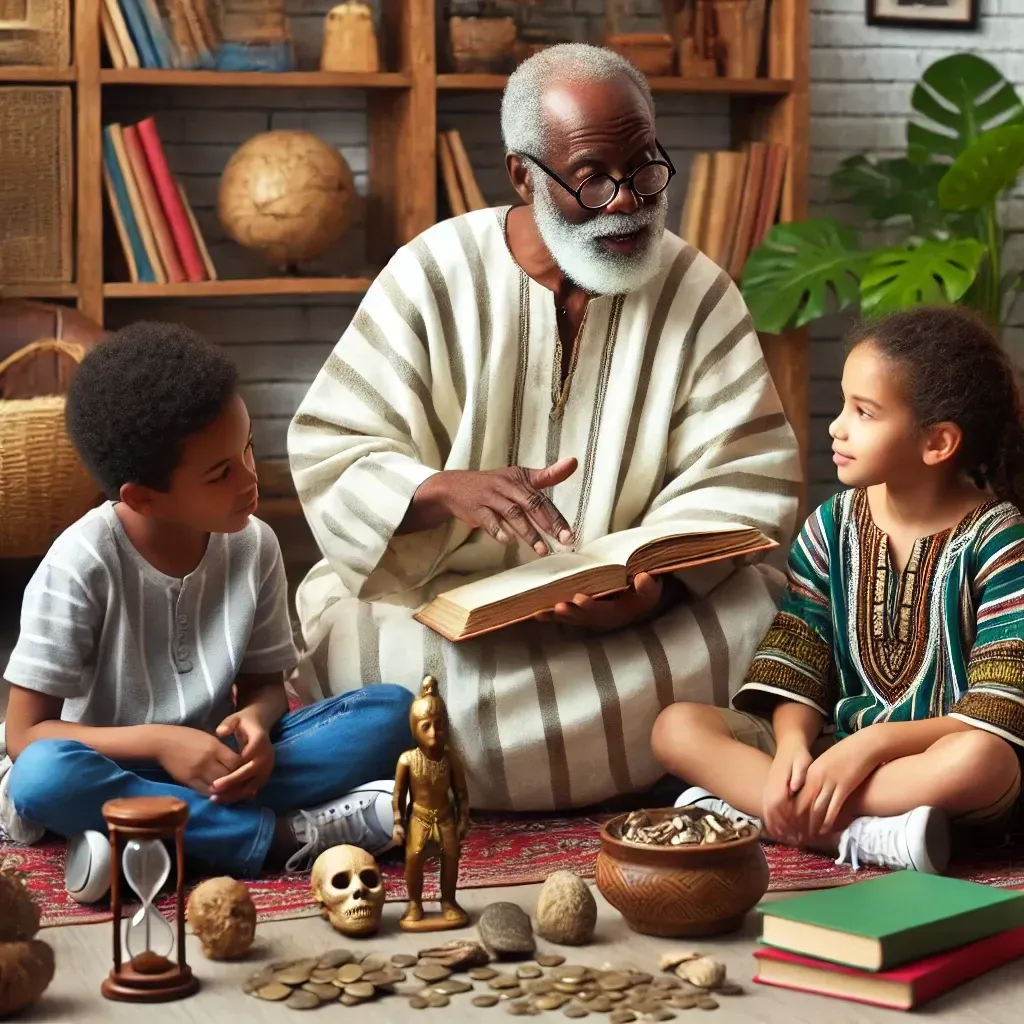
From Shells to Coins: How Early Civilizations Created Money
Money is something we use every day, but have you ever wondered how it all started? Before we had coins, paper bills, or credit cards, early civilizations had to find creative ways to trade.
Long before banks and financial systems, people used shells, beads, and even large stones as forms of money. Eventually, these early methods evolved into metal coins, shaping the foundation of the money we use today.
✅ Discover how ancient societies created money
✅ Learn why shells, beads, and coins were used in trade
✅ Understand how early money systems shaped today’s economy

Let’s take a journey through the fascinating history of early money!
1. The Barter System: Trading Without Money
Before money existed, ancient people used bartering—trading one good or service for another.
📍 Example:
A farmer who grew wheat might trade grain for clay pots made by a potter.
💡 Why Bartering Worked:
✔ People exchanged items they needed.
✔ No need for coins or bills.
❌ Problems with Bartering:
Double coincidence of wants – Both traders had to want what the other had.
Difficult to measure value – How many chickens equal one cow?
Hard to store and transport – Carrying heavy goods was inconvenient.
As societies grew, bartering became impractical, leading people to create early forms of money.
2. The First Forms of Money: Shells, Beads, and Stones
To make trade easier and more standardized, early civilizations started using objects that everyone agreed had value.
✅ Early Types of Money:
🐚 Cowrie Shells – Used in China, Africa, and the Pacific Islands as one of the oldest forms of currency.
💎 Beads and Precious Stones – Native American tribes used wampum beads as a form of currency.
🪨 Rai Stones (Large Stone Discs) – Used by the Yap people of Micronesia, these massive stones were too heavy to move, so ownership was recorded instead.
📍 Example:
If you lived in Ancient China, you might use cowrie shells to buy silk or rice.
💡 Why It Worked:
✔ Easy to carry (except for giant stones like the Rai Stones!).
✔ Recognized as valuable by everyone in the community.
✔ Durable and lasted a long time.
But as trade expanded, societies needed a more efficient system—leading to the invention of metal coins.
3. The Invention of Metal Coins: The First Standardized Money
Around 600 BCE, the kingdom of Lydia (modern-day Turkey) created the first known metal coins made of gold and silver.
📌 Why Coins Were Revolutionary:
✔ Had a set value, making trade easier.
✔ More durable than shells or beads.
✔ Could be easily carried and stored.
✅ Coins in Different Civilizations
🏺 Ancient Greece – Used silver drachmas, which became one of the world’s first widely used currencies.
🏺 Ancient Rome – Created the denarius, which helped Rome expand its economy.
🏺 China – Used spade-shaped coins and round coins with a hole in the center for easy carrying.
📍 Example:
A merchant in Ancient Greece could buy goods in a different city using silver coins, instead of carrying heavy goods for trade.
💡 Why Coins Changed Trade Forever:
✔ Coins had a uniform weight and value, so no one had to guess what something was worth.
✔ Governments could mint coins to control supply and trade.
✔ They made it easier to conduct business across large empires.
4. How Coins Led to the First Banks
As more civilizations adopted coins, trade became more organized. But carrying a lot of gold or silver coins was risky—so banks emerged as a way to store and manage money safely.
📌 Early Banks:
🏦 Temples in Mesopotamia (Ancient Iraq) stored coins and even gave out loans.
🏦 Greek and Roman moneylenders helped merchants and traders finance their businesses.
🏦 Chinese dynasties developed banknotes as a paper-based alternative to heavy coins.
📍 Example:
A Roman merchant could deposit coins in a bank and withdraw money when traveling to another city.
💡 Why This Was Important:
✔ People had a safe place to store money.
✔ Trade could expand beyond local markets.
✔ Governments regulated currency, making economies stronger.
Eventually, this system led to paper money, credit, and digital transactions—but it all started with coins!
5. The Legacy of Early Money in Today’s World
Even though we now use paper money, digital payments, and even Bitcoin, the core principles of early money systems still exist.
📌 How Ancient Money Influenced Today’s Economy:
💰 We still use coins – Modern currencies like the U.S. dollar and Euro still have coins for smaller transactions.
💳 Banks store and transfer money – Just like ancient temples, banks protect and manage wealth.
₿ Digital money is the next evolution – Cryptocurrencies like Bitcoin follow a new decentralized model, but the goal is still making trade easier.
📍 Example:
Just as the Lydians standardized gold coins, today’s governments control and regulate national currencies.
💡 Why This Matters for Kids:
Learning the history of money helps kids understand saving, investing, and financial literacy.
Conclusion: Teaching Kids About Money is Essential
From shells to coins, early civilizations created innovative solutions for trade. Understanding these concepts helps kids:
✅ Appreciate how money works today.
✅ Understand the importance of saving and investing.
✅ Prepare for the future of digital and crypto money.
And the best part? Your child can start learning about money today!
🚀 Download the Jasiah’s Money eBook – Instant Digital Download! 🚀
📚 Fun, engaging lessons on money, saving, and investing!
💰 Perfect for teaching kids the importance of financial literacy!
💡 Includes interactive activities and real-world money lessons!
👉 Click here to get your instant digital download now!
🔗 www.childrentowealth.com/product-details/product/jasiahsmoney
Give your child the gift of financial knowledge—start today! 🚀💰


